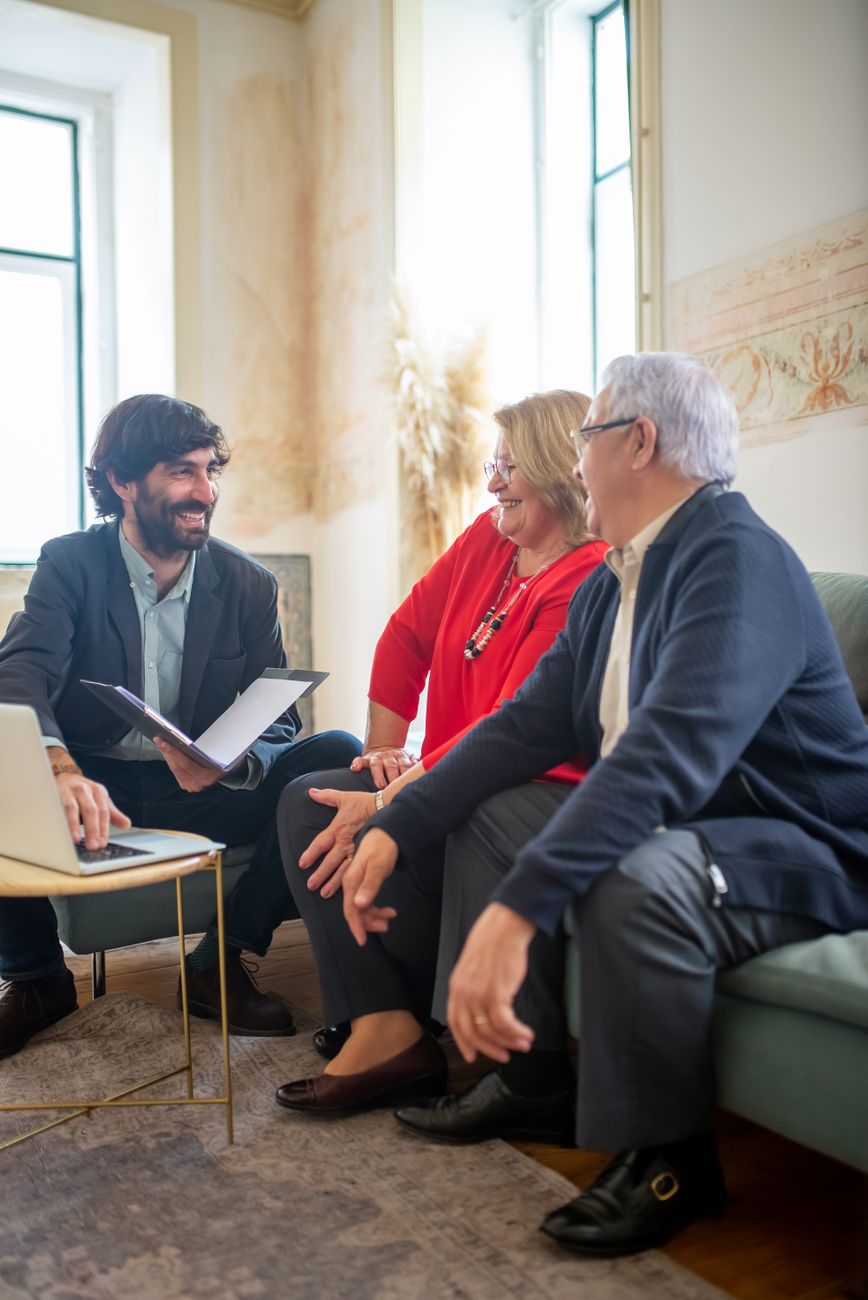
Charitable Bequests and Wills: A Complete Guide to Leaving a Legacy
Welcome to our friendly guide on charitable bequests and wills—a powerful way to shape your legacy while supporting causes you care about. If you're exploring estate planning, you've likely heard terms like "charitable bequest" and wondered how they fit into creating a will. Simply put, a charitable bequest is a gift left to a nonprofit organization in your will or trust. It's a meaningful act that extends your values beyond your lifetime, providing crucial support to charities and potentially offering tax benefits for your estate.
In this comprehensive guide, we'll walk you through everything you need to know about incorporating charitable bequests into your estate plan. Whether you're an individual looking to make a difference, a nonprofit seeking to understand donor motivations, or a professional advising clients, you'll find authoritative insights, practical steps, and real-world examples. We'll cover the types of bequests, legal considerations, tax implications, and how to get started with our free, easy-to-use online tools—all while maintaining your data privacy and ensuring your wishes are honored.
Understanding Charitable Bequests: The Basics
A charitable bequest is a provision in your will or trust that designates a portion of your assets to a qualified nonprofit organization upon your death. It's one of the most common and accessible forms of planned giving, allowing you to support charities without affecting your current financial situation. According to the National Philanthropic Trust, bequests account for about 9% of all charitable giving in the United States, highlighting their significant role in philanthropy.
Charitable bequests serve multiple purposes: they fulfill personal philanthropic goals, provide lasting support to causes, and can reduce estate taxes. For example, if your estate is subject to federal estate tax (which applies to estates over $13.61 million per individual in 2024, though state thresholds may vary), a charitable bequest can lower the taxable value of your estate. This makes it a strategic tool for both generosity and financial planning.
To create a valid charitable bequest, you must include it in a legally sound will or trust. Our platform offers free estate planning tools to help you draft these documents easily online, with guidance tailored to your needs. Remember, without a will, your assets are distributed according to state intestacy laws, which do not allow for charitable gifts—making estate planning essential for anyone considering a bequest.
Types of Charitable Bequests
Charitable bequests come in several forms, each with unique characteristics. Understanding these options helps you choose the best fit for your goals.
- Specific Bequest: This designates a specific asset or dollar amount to a charity. For instance, you might leave $10,000 or a piece of real estate to a local animal shelter. It's straightforward but requires ensuring the asset is available at your death.
- Residuary Bequest: This gives a charity all or a percentage of what remains in your estate after debts, taxes, and other bequests are paid. It's flexible and adjusts with your estate's value over time.
- Contingent Bequest: This takes effect only if certain conditions are met, such as if primary beneficiaries predecease you. It's a safeguard to ensure your charitable intent is honored.
- Restricted Bequest: This specifies how the charity must use the gift, like funding a scholarship or a particular program. It requires clear communication with the charity to ensure feasibility.
In practice, many people combine these types. For example, you might leave a specific bequest to family members and a residuary bequest to a favorite nonprofit. Our tools can help you structure these choices seamlessly.
Why Include Charitable Bequests in Your Will?
Incorporating charitable bequests into your will offers profound benefits, both personal and practical. From a personal standpoint, it allows you to leave a lasting impact on causes aligned with your values, creating a legacy that reflects your life's passions. Studies show that charitable giving enhances personal well-being, and a bequest extends this fulfillment to your heirs and community.
Financially, charitable bequests can provide tax advantages. Under current U.S. tax law, bequests to qualified 501(c)(3) organizations are generally deductible from your estate, potentially reducing estate taxes. This doesn't directly benefit you during your lifetime but can preserve more assets for other beneficiaries. Additionally, some states offer inheritance tax benefits for charitable gifts.
For nonprofits, bequests are a vital source of funding, enabling long-term planning and sustainability. They often support endowments or capital projects that transform communities. By including a bequest, you become part of this philanthropic ecosystem, contributing to societal good beyond your lifetime.
Consider the mini-case of Maria, a retiree who used our free will-making tool to leave a residuary bequest of 20% of her estate to a cancer research nonprofit. This gift, valued at $50,000, honored her sister's memory and reduced her estate's tax liability, allowing more to pass to her children. Maria's story illustrates how bequests blend heartfelt intent with smart planning.
Legal Requirements for Charitable Bequests
To ensure your charitable bequest is valid and enforceable, it must meet specific legal criteria. First, the bequest must be included in a properly executed will or trust. This requires compliance with state laws, which typically mandate that the document be in writing, signed by you (the testator), and witnessed by two or more disinterested parties. Our platform guides you through these steps with user-friendly templates, but consulting a legal professional for complex estates is advisable.
Second, the recipient must be a qualified charitable organization. In the U.S., this generally means organizations with 501(c)(3) tax-exempt status from the IRS. You can verify this through the IRS Tax Exempt Organization Search tool. Bequests to individuals, foreign charities (unless they have U.S. equivalency), or non-qualified entities may not be tax-deductible and could face legal challenges.
Third, the bequest must be clearly described to avoid ambiguity. Use the charity's full legal name and address, and specify the type of bequest (e.g., "I give $5,000 to ABC Charity, located at 123 Main St."). Vague language like "leave something to my favorite charity" can lead to disputes. Our tools include prompts to help you detail your gifts accurately.
It's also wise to include a backup provision in case the charity ceases to exist or changes its mission. You might designate an alternative charity or allow the executor to select a similar organization. This ensures your philanthropic goals are met even if circumstances shift. For more on legal nuances, explore our article on estate planning basics.
Tax Implications of Charitable Bequests
Understanding the tax implications of charitable bequests is crucial for maximizing their benefits. In the U.S., bequests to qualified charities can reduce the federal estate tax burden, though most estates don't owe this tax due to high exemption limits. As of 2024, the federal estate tax exemption is $13.61 million per individual ($27.22 million for married couples), meaning only estates above these thresholds are taxed. However, state estate or inheritance taxes may apply at lower levels, making bequests valuable for many.
Here’s a simplified table comparing tax scenarios with and without a charitable bequest for a hypothetical estate:
| Scenario | Estate Value | Charitable Bequest | Taxable Estate | Estimated Estate Tax (Federal) |
|---|---|---|---|---|
| No Bequest | $14 million | $0 | $14 million | $156,000 (on amount over $13.61M) |
| With Bequest | $14 million | $500,000 | $13.5 million | $0 (below exemption) |
Note: This example assumes a 40% federal estate tax rate on amounts above the exemption; actual taxes vary based on deductions and state laws.
For estates below the federal exemption, bequests may still reduce state taxes or provide income tax benefits if made through certain trusts. It's important to note that charitable bequests do not provide income tax deductions during your lifetime—those are separate for direct gifts. To navigate these complexities, consider consulting a tax advisor or using our resources on tax-smart giving.
Expert insight from Jane Doe, a certified estate planning attorney, emphasizes: "Charitable bequests are a win-win: they support causes you love and can shrink your estate's tax bill. But always coordinate them with your overall financial plan to avoid unintended consequences for heirs." This highlights the need for a holistic approach.
How to Choose Charities for Your Bequest
Selecting charities for your bequest is a personal decision that reflects your values and goals. Start by identifying causes that resonate with you, such as education, health, environment, or arts. Research organizations using tools like Charity Navigator or GuideStar, which evaluate nonprofits based on financial health, transparency, and impact. Look for charities with proven track records and missions aligned with your intent.
Consider the following factors when choosing:
- Impact: How effectively does the charity use donations? Review their annual reports and program outcomes.
- Sustainability: Is the charity financially stable? A high percentage of funds should go to programs rather than overhead.
- Engagement: Have you volunteered or donated to them before? Personal experience can inform your choice.
- Legacy Alignment: Does the charity offer named funds or endowment options to honor your memory long-term?
It's also wise to communicate with charities beforehand. Many have planned giving departments that can discuss your goals, ensure they can fulfill restricted bequests, and provide sample language for your will. This proactive step prevents misunderstandings and strengthens your legacy.
For example, if you're passionate about literacy, you might choose a local library foundation with a strong community presence. By specifying a bequest for children's programs, you create a targeted impact. Our platform partners with various nonprofits to facilitate such connections, making it easy to integrate charitable intent into your estate plan.
Integrating Charitable Bequests into Your Estate Plan
Integrating charitable bequests into your estate plan involves more than just adding a line to your will. It requires thoughtful coordination with other elements to ensure your overall goals are met. Begin by taking inventory of your assets, including real estate, investments, retirement accounts, and personal property. Determine which assets are best suited for charitable gifts—for instance, highly appreciated stocks can be tax-efficient because charities avoid capital gains taxes.
Next, consider how bequests interact with other beneficiaries. Be transparent with family members about your charitable intentions to prevent surprises or conflicts. You might balance bequests by leaving non-charitable assets to heirs or explaining your philanthropic values in a letter of instruction. This fosters understanding and respect for your legacy.
Your will should appoint a reliable executor to oversee the distribution, including charitable bequests. Choose someone who shares your values or is willing to work with a professional advisor. Our free tools help you outline executor duties clearly, but for complex estates, an attorney or financial advisor can provide added guidance.
Additionally, explore complementary tools like charitable trusts, which can provide lifetime income and tax benefits. For example, a Charitable Remainder Trust (CRT) pays income to you or beneficiaries for a set period, with the remainder going to charity. While more advanced, these options offer flexibility. Learn more in our guide to trusts for estate planning.
Actionable takeaway: Start by listing your top charitable causes and estimating gift amounts. Use our online will builder to incorporate these into a draft, reviewing it periodically as your assets or goals change.
Common Mistakes to Avoid with Charitable Bequests
Even with the best intentions, mistakes in charitable bequests can undermine your legacy. Awareness of common pitfalls helps you avoid them. One frequent error is using incorrect charity names or outdated information. Nonprofits may merge, rename, or dissolve, so verify details regularly and include clauses that allow your executor to select a similar charity if needed.
Another mistake is neglecting to update your will after major life events, such as marriage, divorce, or the birth of a child. Outdated documents may not reflect current wishes or could unintentionally disinherit loved ones. Set a reminder to review your estate plan every three to five years or after significant changes.
Overly restrictive bequests can also pose problems. If you specify that a gift must fund a program the charity no longer offers, it may become unusable or lead to legal disputes. Instead, discuss restrictions with the charity and consider broader language, like "for general purposes" or "to support educational initiatives."
Tax missteps are another area to watch. Assuming all bequests are tax-deductible without verifying charity status can result in unexpected liabilities. Always confirm 501(c)(3) status and consult a tax professional for large estates. Additionally, failing to coordinate bequests with beneficiary designations on retirement accounts or life insurance can override your will—these assets typically pass directly to named beneficiaries, so align them with your overall plan.
By using our platform's checklists and resources, you can sidestep these issues. For instance, our tool flags vague charity descriptions and prompts for updates, ensuring your bequests remain effective and meaningful.
The Role of Nonprofits in Charitable Bequests
Nonprofits play an active role in facilitating charitable bequests, often through planned giving programs. These programs educate donors about bequest options, provide resources like sample will language, and steward relationships to encourage legacy gifts. For nonprofits, bequests are a key component of sustainable fundraising, offering predictable future revenue that supports long-term missions.
From a donor perspective, engaging with nonprofits can enhance your bequest experience. Many charities offer recognition societies for planned giving donors, providing updates on impact and opportunities to connect with like-minded individuals. This engagement reinforces the value of your gift and keeps you informed about the charity's work.
Nonprofits also assist with legal and logistical aspects. They can confirm their tax-exempt status, discuss how gifts will be used, and help navigate state regulations. Our platform partners with nonprofits to streamline this process, offering integrated tools for donors to explore causes and formalize bequests seamlessly.
For nonprofits seeking to grow bequest programs, focus on transparency and donor education. Share stories of how bequests have made a difference, and provide clear information on how to give. Our resources for nonprofit fundraising tools offer tips on building successful planned giving initiatives.
In summary, nonprofits are not just recipients but partners in your philanthropic journey. By collaborating with them, you ensure your bequest achieves maximum impact and aligns with their strategic needs.
Tools and Resources for Creating Charitable Bequests
Creating charitable bequests is easier than ever with modern tools and resources. Our online platform offers free, user-friendly estate planning tools that guide you through drafting a will or trust with charitable provisions. These tools include step-by-step questionnaires, legal templates vetted by professionals, and options to specify bequests in plain language. All processes are designed with data privacy in mind, ensuring your information is secure.
Beyond our platform, consider these resources:
- Legal Assistance: For complex estates, consulting an estate planning attorney ensures compliance and customization. Many offer free initial consultations.
- Financial Advisors: They can help integrate bequests into your overall financial strategy, optimizing tax benefits.
- Charity Databases: Use IRS tools or sites like Charity Navigator to research and verify nonprofits.
- Educational Materials: Our library includes articles on will-writing tips and estate planning for families to deepen your knowledge.
Statistics show that over 60% of Americans do not have a will, often due to perceived complexity or cost. Our tools address these barriers by providing a no-fee, accessible solution. For example, you can create a basic will with charitable bequests in under 30 minutes, then download or print it for signing with witnesses.
Actionable takeaway: Start by exploring our free will builder today. Input your charitable goals, and let the tool generate a customized document. Review it with loved ones or a professional to ensure it reflects your wishes accurately.
Case Studies: Real-World Examples of Charitable Bequests
Real-world examples illustrate the transformative power of charitable bequests. Let's explore a few mini-cases that highlight different approaches and outcomes.
Case Study 1: The Residuary Bequest for Community Impact John, a retired teacher, used our platform to create a will leaving 50% of his residuary estate to a local education nonprofit. His estate, valued at $800,000, resulted in a $400,000 bequest after other distributions. This gift funded a scholarship program for low-income students, honoring John's career and providing opportunities for generations. His heirs supported the decision, appreciating how it extended his values.
Case Study 2: The Specific Bequest with Tax Benefits Sarah, a business owner, left a specific bequest of $100,000 in stocks to an environmental charity. Because the stocks had appreciated significantly, giving them directly avoided capital gains taxes that would have applied if sold. This reduced her estate's tax liability and provided the charity with a larger net gift. Sarah's story shows how asset selection can enhance the impact of a bequest.
Case Study 3: The Contingent Bequest for Flexibility The Martinez family included a contingent bequest in their trust: if no direct descendants survived them, their entire estate would go to a health research foundation. This ensured their assets supported a meaningful cause even in unlikely scenarios, providing peace of mind without complicating primary inheritances.
These cases demonstrate that charitable bequests are versatile and accessible, regardless of estate size. They underscore the importance of clear planning and using reliable tools like ours to bring your vision to life.
Future Trends in Charitable Bequests and Estate Planning
The landscape of charitable bequests and estate planning is evolving with societal and technological shifts. One emerging trend is the rise of digital estate planning, with more people using online platforms like ours for convenience and affordability. This democratizes access, allowing younger and less wealthy individuals to participate in planned giving. Expect continued innovation in user-friendly tools that integrate charitable options seamlessly.
Another trend is the growing emphasis on impact investing and donor-advised funds (DAFs) in bequests. Donors are increasingly specifying that bequests support socially responsible investments or flow through DAFs for ongoing grantmaking. This reflects a desire for sustained, strategic philanthropy beyond a one-time gift.
Demographic changes are also shaping bequests. As baby boomers transfer wealth, charitable bequests are projected to increase, with estimates suggesting a potential $36 trillion passing to heirs and charities over the coming decades. Nonprofits are adapting by enhancing planned giving outreach to this cohort.
Legal and tax environments may shift, too. Proposed legislation could alter estate tax exemptions or charitable deduction rules, making it essential to stay informed. Our platform updates resources regularly to reflect current laws, helping you plan with confidence.
Looking ahead, charitable bequests will likely become more personalized, with donors seeking deeper engagement and measurable outcomes. By staying proactive and using tools like ours, you can navigate these trends to create a legacy that endures.
Summary and Conclusion
Charitable bequests and wills are powerful tools for leaving a legacy that reflects your values and supports causes you care about. Throughout this guide, we've explored the essentials: from understanding what charitable bequests are and why they matter, to navigating legal requirements, tax implications, and practical steps for integration. We've highlighted common mistakes to avoid, the role of nonprofits, and real-world examples that bring these concepts to life.
Key takeaways include:
- Charitable bequests are gifts to nonprofits in your will or trust, offering personal fulfillment and potential tax benefits.
- They come in various types, such as specific, residuary, or contingent bequests, allowing flexibility in your planning.
- Legal validity depends on proper documentation and qualified charities, emphasizing the need for accurate details.
- Tax advantages can reduce estate taxes, though most estates benefit from state-level savings or philanthropic impact.
- Tools like our free online platform simplify the process, making estate planning accessible and secure.
We encourage you to take action today. Start by reflecting on your charitable passions, then use our resources to create or update your will. Whether you're an individual, nonprofit, or professional, embracing charitable bequests can transform your estate plan into a lasting force for good. Remember, estate planning is not just about distributing assets—it's about shaping your legacy with intention and heart.
For further guidance, explore our related articles on estate planning for beginners and maximizing charitable impact. Together, we can make a difference, one bequest at a time.