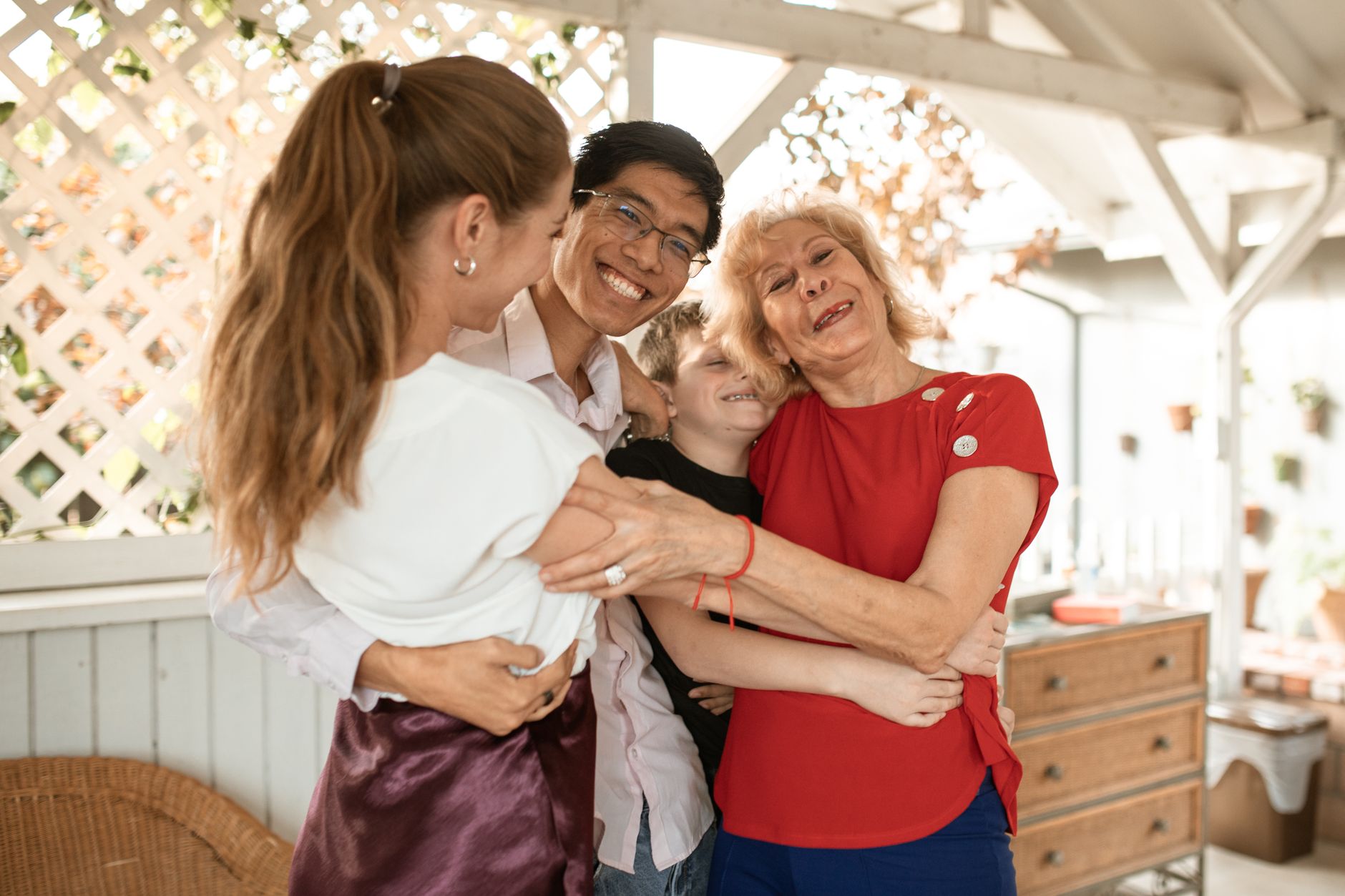
Charitable Bequests for Blended Families: The 5-Step Framework
Charitable bequests in blended families require a deliberate plan that balances the interests of a surviving spouse, children from previous marriages, stepchildren, and charitable beneficiaries. By using a structured framework, you can navigate complex dynamics and ensure your legacy supports both your loved ones and the causes you care about. Here's a step-by-step approach to make it work.
Introduction to the Framework
Blended families—where one or both partners have children from previous relationships—face unique estate planning challenges. Without careful planning, charitable bequests can inadvertently create conflict or disinherit intended beneficiaries. The Balanced Legacy Framework offers a practical, five-step method to integrate charitable giving into your estate plan while respecting all family members. This framework helps you define your goals, understand legal tools, communicate openly, structure your bequests, and review your plan regularly.
Why This Framework Works
This framework works because it addresses both the emotional and legal complexities of blended families. Unlike traditional estate planning, which often prioritizes simplicity, the Balanced Legacy Framework acknowledges that blended families require tailored solutions. It emphasizes proactive communication, which reduces misunderstandings, and strategic use of legal instruments, which ensures your wishes are honored. By following this structure, you can avoid common pitfalls like accidental disinheritance or family disputes, and instead create a plan that reflects your values and supports your loved ones.
The 5-Step Framework
Step 1: Define Your Charitable and Family Goals
Start by clarifying what you want to achieve. Ask yourself:
- Who are the key people in your life? List your spouse, children, stepchildren, and other dependents. Consider their financial needs and your relationship with each.
- What causes matter to you? Identify one or more charitable organizations that align with your values. Think about the impact you want to make.
- How much do you want to give? Determine a percentage of your estate or a specific dollar amount for charitable gifts. This will guide the rest of your planning.
Why it works: Defining goals early prevents reactive decisions and ensures your plan reflects your true intentions.
Step 2: Understand the Legal Tools
Blended families often need more than a simple will. Explore these common tools:
- Will with charitable bequest: A straightforward way to leave a specific asset or percentage to a charity. It’s easy to set up and modify.
- Trust (e.g., charitable remainder trust): Provides income to beneficiaries for a period, then the remainder goes to charity. This can be useful if you want to provide for a spouse or children first.
- Beneficiary designations: For retirement accounts and life insurance, you can name a charity directly, bypassing probate. This is often tax-efficient.
Choose the tool(s) that best meet your goals. For instance, if you want to support your spouse for life and then give to charity, a charitable remainder trust might be ideal.
Step 3: Communicate Openly with Family
One of the biggest mistakes in blended families is lack of communication. Sit down with your spouse and adult children to discuss your intentions. Explain why charitable giving is important to you and how you’ve planned to balance everyone’s interests. This openness can prevent resentment and legal challenges later.
What to discuss:
- The role of charitable gifts in your estate plan
- How you’ve provided for each family member (or not)
- Your reasoning for any unequal distributions
Acknowledge emotions: Be prepared for strong reactions. Listening and validating feelings can go a long way.
Step 4: Structure Your Bequests to Minimize Conflict
Design your bequests to reduce the potential for disputes. Consider these strategies:
- Use trusts to control distributions: For example, a trust can provide income to your spouse for life, then distribute principal to children and charities. This ensures your spouse is cared for without disinheriting your children.
- Consider life insurance or retirement accounts: Designating a charity as a beneficiary on these assets keeps them out of probate and can provide liquidity for your estate.
- Be specific: Clearly identify the charity (legal name, address) and the exact amount or percentage. Vague language invites challenges.
Tax implications: Charitable bequests are generally deductible for estate tax purposes, which can reduce the tax burden on your heirs. However, rules vary, so consult a professional.
Step 5: Review and Update Regularly
Life changes—marriages, divorces, births, deaths, and changes in financial circumstances. Review your estate plan every 3-5 years or after major life events. Update beneficiary designations and bequests as needed. This ensures your plan remains current and aligns with your intentions.
How to Apply It
Applying this framework is straightforward:
- Gather your team: Work with an estate planning attorney and financial advisor who understand blended family dynamics.
- Draft your documents: Create or update your will, trusts, and beneficiary designations.
- Communicate with family: Share your plans with loved ones before finalizing.
- Execute and store: Sign documents properly and keep them in a safe place. Inform your executor and trusted family members.
- Schedule reviews: Set reminders to revisit your plan periodically.
Examples/Case Studies
Example 1: The Miller Family
John and Susan are a blended couple. John has two children from a previous marriage; Susan has one. They want to leave $100,000 to their alma mater. Using the framework, they:
- Defined goals: Support each other for life, provide for all three children, and give to charity.
- Chose a charitable remainder trust: It pays income to John and Susan for life, then splits the remainder equally among the children and the charity.
- Communicated: Held a family meeting to explain their plan and reassure all children they are remembered.
- Reviewed: They update the trust after each child’s major life event.
Example 2: The Chen Family
Maria and David have a strained relationship with David’s children from a prior marriage. Maria wants to leave her retirement account to a charity for animal welfare. They use a beneficiary designation to leave the account directly to the charity, avoiding probate conflict. They also update their wills to ensure David’s children receive other assets.
Common Mistakes to Avoid
- Assuming a simple will is enough: Blended families often need trusts or other tools to balance interests.
- Not communicating: Hidden intentions can lead to costly legal battles.
- Forgetting to update beneficiary designations: These override wills, so keep them current.
- Ignoring tax implications: Charitable bequests can reduce taxes, but only if structured correctly.
- Choosing the wrong charity: Ensure the organization is legitimate and will use the gift as you intend.
Templates/Tools
Here’s a simple worksheet to get you started:
| Goal | Family Members | Charities | Amount/Percentage | Tool |
|---|---|---|---|---|
| Provide for spouse | Spouse’s name | 50% of estate | Trust | |
| Leave gift to children | Child 1, Child 2 | 30% of estate | Will | |
| Charitable gift | Charity name | 20% of estate | Beneficiary designation |
To simplify the process, consider using an online platform that offers free estate planning tools, such as wills and trusts, which can guide you through creating a basic plan. For more complex situations, consult a professional.
Conclusion
Charitable bequests in blended families don’t have to be a source of conflict. By following the Balanced Legacy Framework—defining goals, understanding tools, communicating openly, structuring bequests, and reviewing regularly—you can create a plan that honors your family and your charitable values. Remember, the most successful plans are those that involve everyone in the conversation and adapt to life’s changes. Start today, and secure a legacy that truly reflects who you are.
For more in-depth guidance, explore our Charitable Bequests and Estate Planning: A Complete Guide to grasp the fundamentals. If you’re ready to write your bequest, follow our step-by-step walkthrough: How to Write a Charitable Bequest in Your Will: Step-by-Step Guide. And if you’re weighing trust options, compare Charitable Trusts Explained: CRTs vs. CLTs for Estate Planning.